East Tennessee Farmland Commons, Tennessee
July 8, 2025
San Juan Islands Farmland Commons, Washington
July 8, 2025Regeneration Arizona Farmland Commons, Arizona
In arid Southern Arizona, something quietly revolutionary is taking root. A group of farmers, healers, educators, land stewards, and local advocates have come together around a shared idea: that land is more than property — it’s a living commons, and it should be cared for as such.
They’re not just growing food. They’re restoring ecosystems, rebuilding
relationships with the land, and reimagining what it means to belong — to place, to purpose, and to one another.
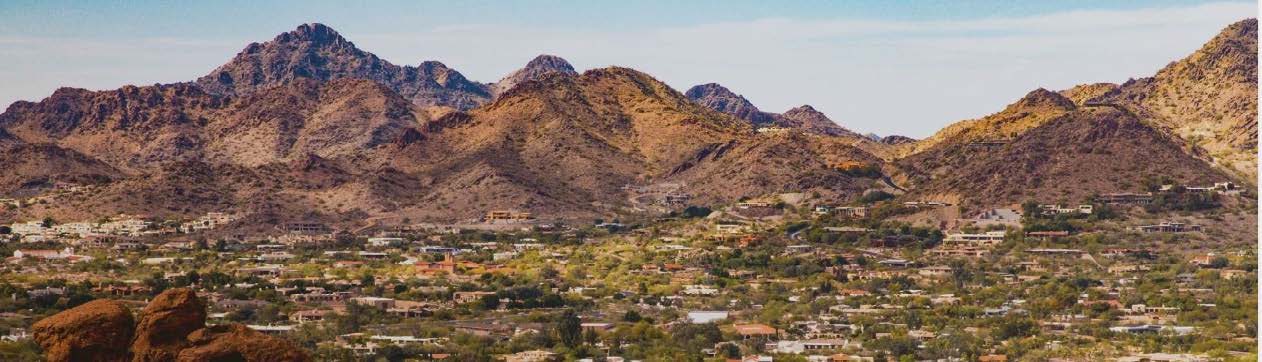
From this shared commitment, the Regeneration Arizona Farmland Commons is being formed as an initiative to bring farmland into the public trust, where it can be cared for and cultivated in service of community and ecology.
It began with DRY (Development of Regenerative Yields Cooperative), a regenerative agriculture co-op founded by Arizona farmer and ecological researcher Yadi Wang, alongside fellow board members and partners who shared a bold vision.
In collaboration with The Farmers Land Trust, Mollen Foundation, and Think Regeneration, they established a 501(c)(25) land-holding entity dedicated to protecting farmland, advancing ecological farming practices, and supporting intergenerational learning.
This effort goes far beyond preserving acreage. It’s about building a resilient, people-powered food system—one where the land is respected, water is stewarded wisely, growers are empowered, and everyone has a tangible connection to the source of their harvest.
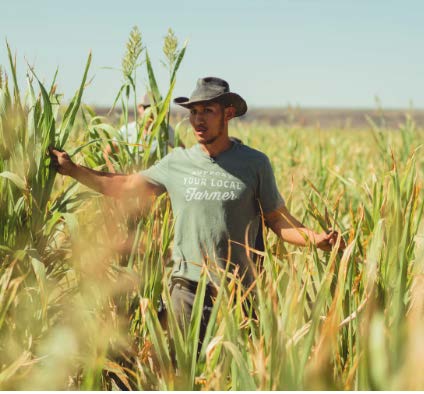


A Transformative Legacy For the Future
Regeneration Arizona Farmland Commons is long-term vision— one that depends on community-held farmland where regenerative practices can thrive, evolve, and be passed down through generations.
The collaboration between DRY Co-op, Mollen Foundation, Think Regeneration, and The Farmers Land Trust, is guided by shared values: enduring care for the land, collective responsibility, and the belief that community health begins with how we cultivate our soil.
Together, we are:
- Creating a transparent, equitable, and sustainable local
food system. - Regenerating ecosystems — soil, water, and biodiversity
— through place-based, ecological practices. - Repairing and reimagining food-growing landscapes to
support food as medicine, reduce chronic disease, and
improve community well-being. - Supporting regenerative growers, educating future land
stewards, and empowering communities. - Investing in innovation and resilience for arid land
stewardship — especially in the face of climate and water stress.


Seeking Land, Seeding Change
The Regeneration Arizona Farmland Commons is pursuing transfer of title ownership of farmland real estate into the Commons for regenerative agriculture, economically viable farm businesses, and equitable land access and tenure for farmers to create a positive example of community-centered and owned farmland as an integral part of the local food system in Southern Arizona.
What we are looking for:
- 70+ acres
- Full agricultural water rights
- Existing utility infrastructure, i.e. electricity, well
- Existing building or warehouse infrastructure, i.e. barns
- Close Interstate proximity and access
- 45 +/- minutes from Tucson
- Homestead Zoning if in Pima County
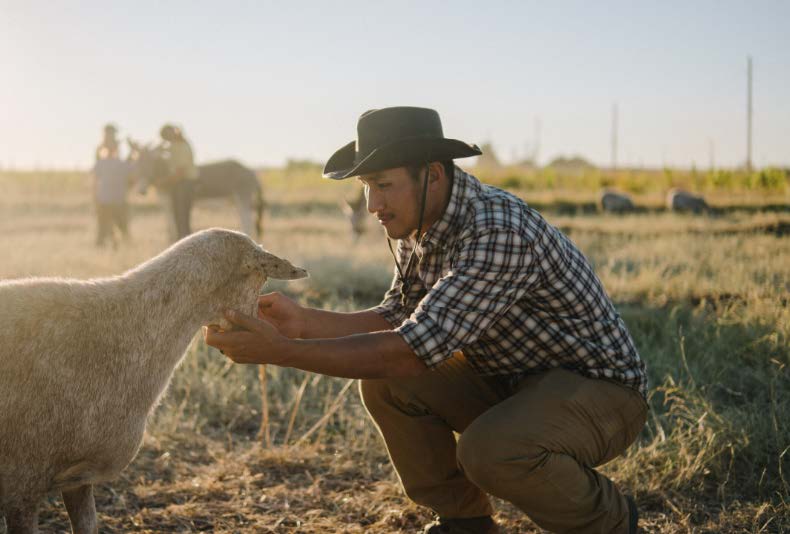
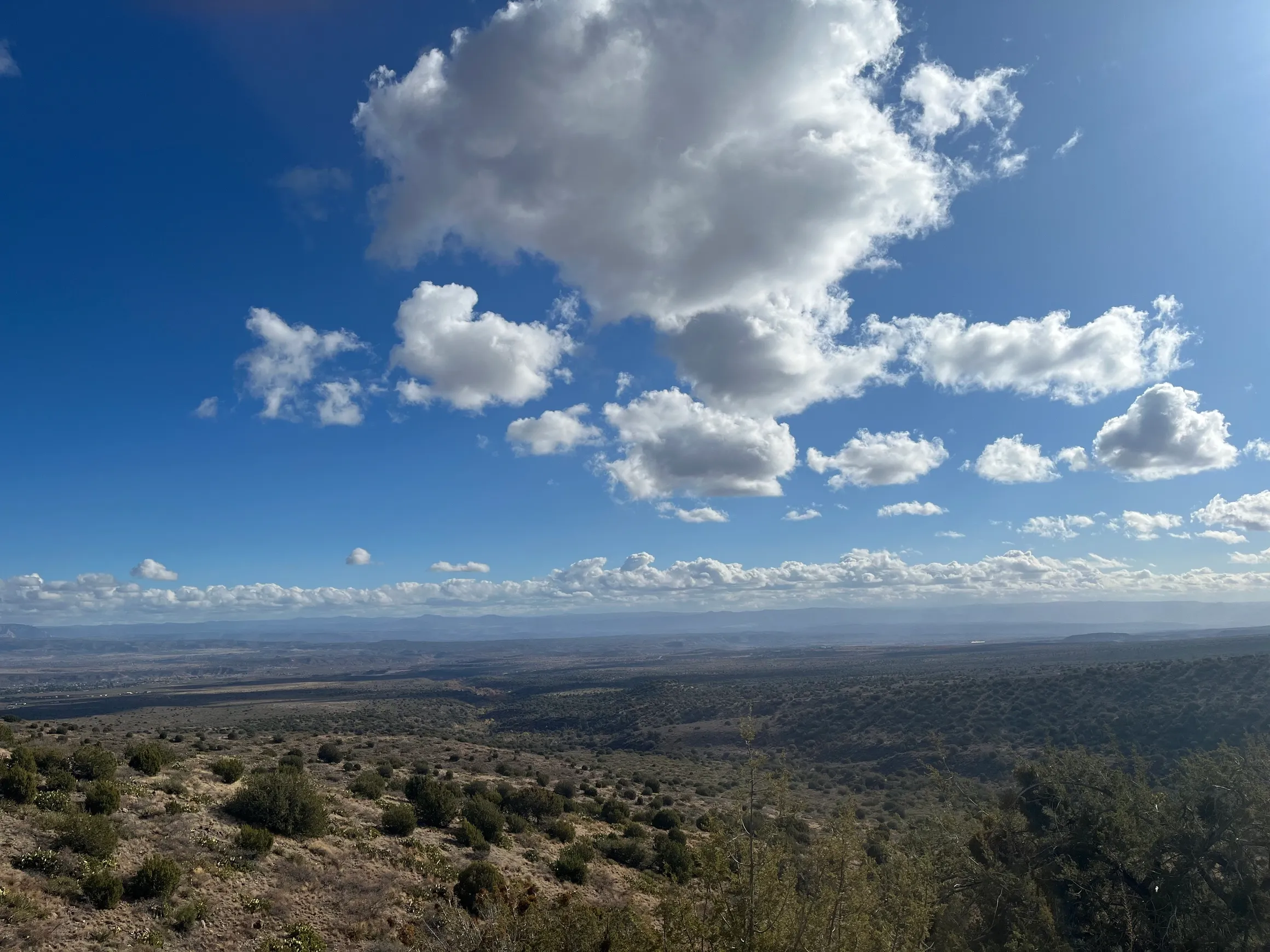
This is an invitation to build something lasting: agricultural, food-yeilding farmland held by and for the community — nurtured with care, grown through collaboration, and sustained by a shared sense of purpose.

Stay in the loop!
Join the Regeneration Arizona Farmland Commons mailing list!
In the Headlines
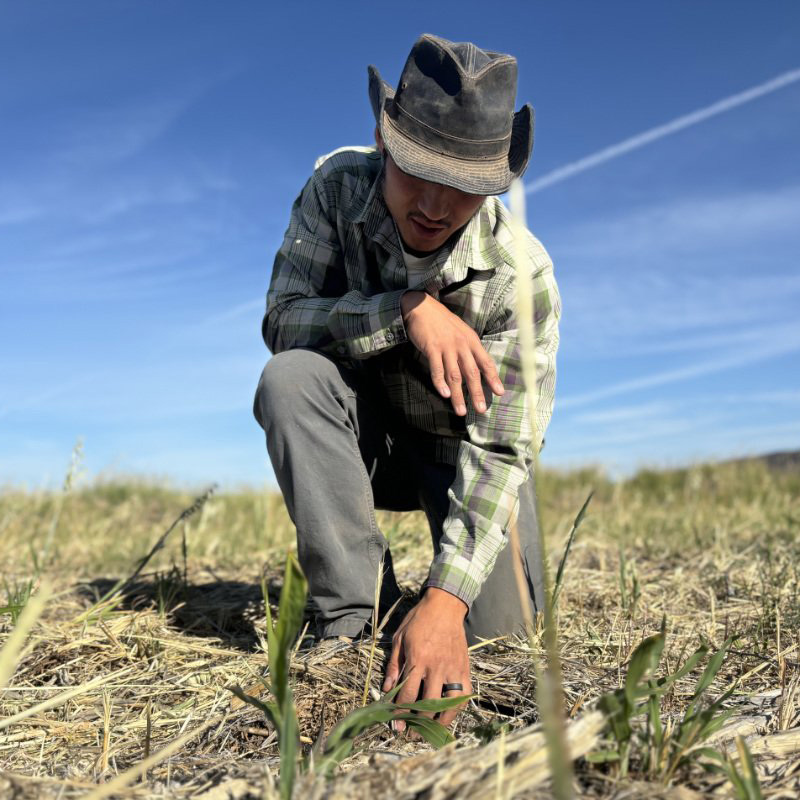
Stories of Regeneration: Yadi Wang
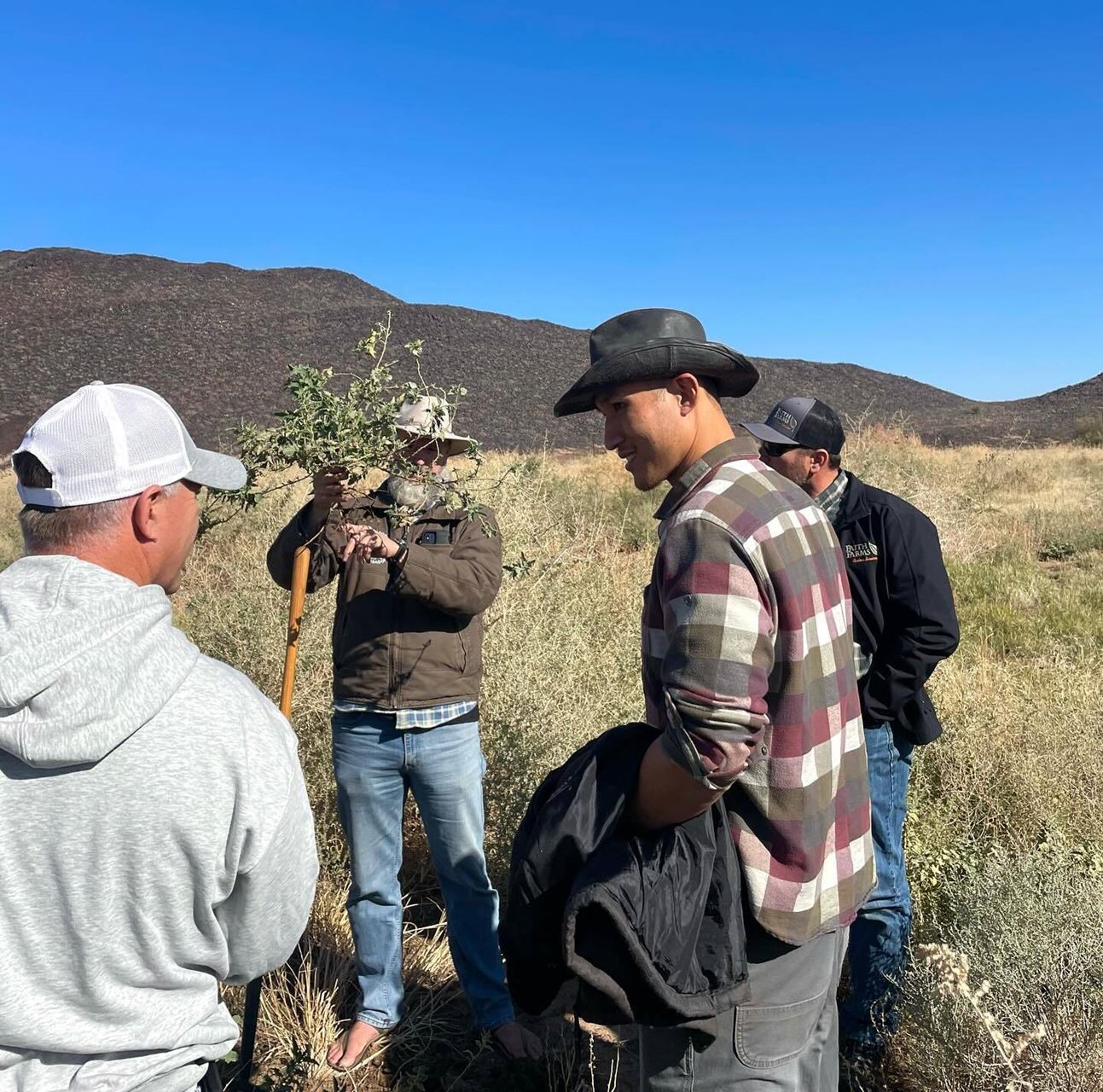
Bread Bakers Guild
Could This Arizona Ranch Be a Model for Southwest Farmers?
Choosing to Farm: New Generation Stories
Regional Data
- Pima County 1,101,000
- Median age 37.2
- 54% White
- 38% Hispanic
- $56, 400 median HH
- 15.0% poverty
- AZ avg $2,900/acre
- Pima Co. $3,200/acre
- $32, 000 per capita;
- Border-region poverty up to 25%
- 14.3% residents
- 20.1% children
- Pecans, date palms, heritage grains
- Aquaponics & greenhouses
- Indigenous crop revival
- Water-wise guilds
- Desert-food festivals
- Tucson metro (~1 M) sources from 180+ desert-adapted farms within 200 mi
- Marana hosts America’s oldest native-plant & food festival each spring