A Transformative Approach to Land Access
Narration by Kristina Villa
In the grand tapestry of human history, our connection to the land and the issues of land transfer and tenure have always been central. While our human lifespans are but brief moments in the lifespan of the land, our choices, priorities and actions have profound significance and impact. Today, in the United States, the narrative of land access and ownership unfolds at the crossroads of generations, where the emerging generation of new farmers seek to steward the land, while the “transitioning” generation, composed of legacy farmers and generational farms, grapples with the shared human challenge of letting go.
Our culture, as a human society, has been cultivated and supported by agriculture, which serves as a conduit for connecting humans with the land. Culture, passed down through generations, is deeply intertwined with agriculture. It thrives on farms, farmland, and in communities and regions where generational and legacy/pioneering farms have taken root.
Today, as farmland and farms face a critical juncture of transition and transfer, with many current owners approaching retirement age, the process begins with the aging generation taking steps to let go of power and control. This moment offers an unprecedented opportunity to rebuild and create a future culture of farming, and to bridge the gap between generations and breathe new life into the practice of agriculture. With upwards of 400 million acres of U.S. farmland in transition in the current decade and the next, there is vast potential for a new paradigm in land transfer and farm stewardship to emerge. Simultaneously, industrial agriculture, a dominant force, significantly contributes to the climate crisis through soil pollution and water contamination. The adoption of regenerative agriculture practices presents an opportunity to reverse the damage done to ecosystems.

In examining issues of land access and ownership, it is essential to acknowledge the stark disparities in land ownership. A United States Department of Agriculture (USDA) report reveals that 98 percent of land in the United States is owned by white people, while those who identify as Black, Indigenous, or other people of color make up roughly 70 percent of those involved in agriculture, mostly as essential farm workers. Moreover, the undeniable truth is that all land in the United States is stolen from Indigenous people, a painful fact that must be recognized and reconciled.
The reality that land access is steeped in colonialism and racism is deeply intertwined with our collective disconnection from the land. This disconnection manifests itself in the emerging generation, where new, young, and Black, Indigenous, and other farmers of color are often shut out of access, tenure, equity, or ownership. For new farmers, land access remains the number one barrier to entering agriculture, as highlighted by the National Young Farmers Coalition and the National Family Farm Coalition.
The work of The Farmers Land Trust is focused on finding solutions, creating models, and offering guidance to address this pressing need and opportunity. Through the transfer and transition of farmland, we can achieve several crucial objectives. We can place land securely into the hands of new, young, and Black, Brown, Indigenous, and other marginalized farmers, ensuring secure, affordable, and equity-building lease tenure. We can create model examples of how to address land-centered racism, wealth disparities, and capital inequalities, one farm at a time. This approach, rooted in practicality and empowerment, allows us to rebuild the culture of agriculture for generations to come, fostering a renewed connection between humans and the land that sustains us all.
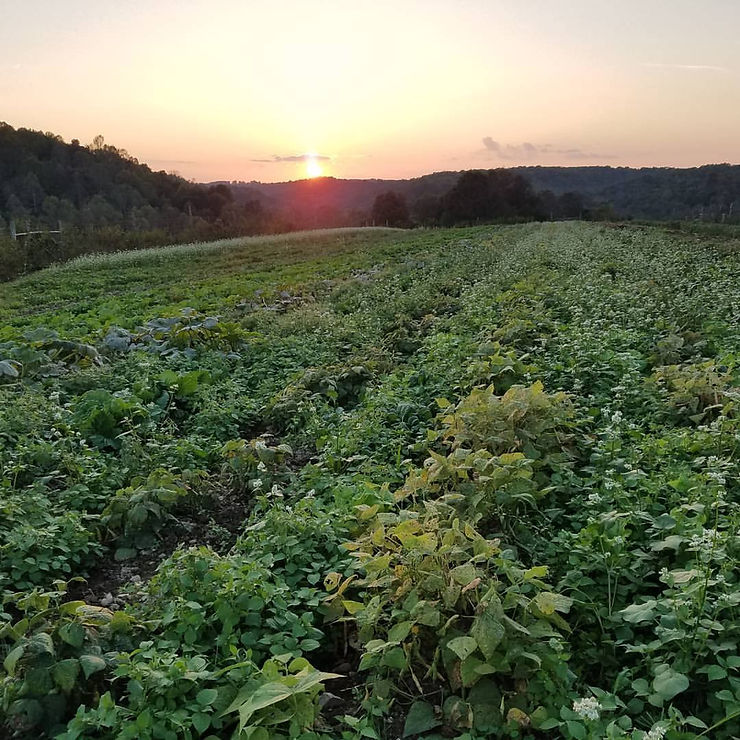
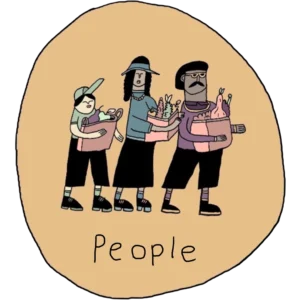
The Farmland Commons represents an innovative and transformative approach to land ownership, tenure, and access, with profound and positive impacts on the communities it serves. This model of land stewardship fosters a sense of belonging and interconnectedness among community members. It not only provides aspiring farmers and local residents with a means to access and cultivate the land but also ensures that the wisdom and traditions of agriculture are preserved and passed down through the generations. The Farmland Commons becomes a hub of shared knowledge, a place where people of diverse backgrounds come together to learn, grow, and nurture the land.
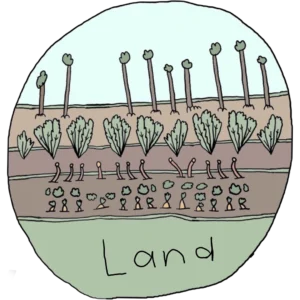
Within the Farmland Commons, a principle of sustainability and responsible land use prevails. The land is a living entity, and its care and cultivation are guided by regenerative practices that heal the environment rather than harm it. In doing so, the Farmland Commons becomes a beacon of hope and progress, combating the destructive forces of industrial agriculture and contributing to the reversal of ecological damage.
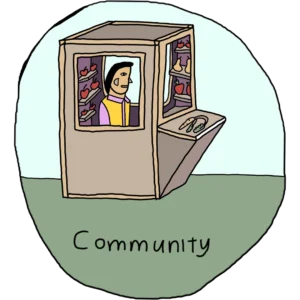
The positive impact extends far beyond the bounds of agriculture. The Farmland Commons serves as a platform for community building, social cohesion, and education. It becomes a place where people gather to celebrate local food, traditions, and the shared values of stewardship. This model transcends the mere provision of land; it nurtures a culture of sustainability and connection, where the land is more than a resource; it is a vital part of the community’s identity and well-being.
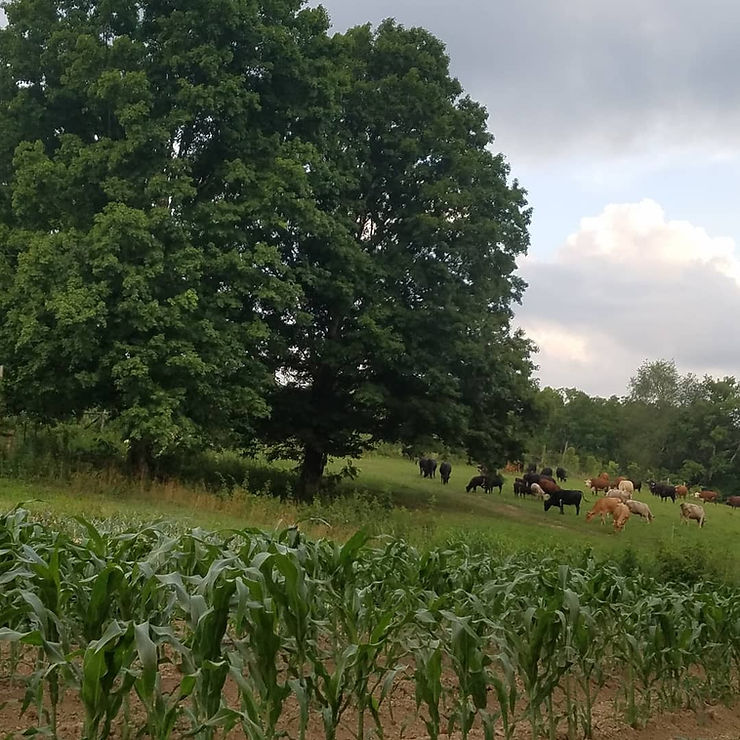
At The Farmers Land Trust, we take inspiration from and have been guided to the Farmland Commons model through the work of others who have come before us and the work of others around the world. Globally and historically, land access efforts include a diverse array of initiatives, each with its unique focus and contribution, and the movement is a testament to the enduring human struggle for equitable access to land and resources. From New Communities in Georgia, which pioneered the concept of Community Land Trusts, to now when community land trusts are predominantly centered on housing, to Conservation Land Trusts utilizing conservation easements which model natural resource protection, the spectrum of approaches has evolved over time. In the realm of global land access movements, examples like Terre de Liens in France, Community Land Scotland, the Bhoodan Movement in India, Subscription Agriculture, and Town Commons have all played pivotal roles in shaping how societies interact with land.
As we continue to navigate the challenges of the 21st century, including climate collapse, the lessons of history and the diverse inspirations from these movements underscore the importance of addressing land access issues with urgency and compassion. In recognizing the Indigenous roots of ecological land stewardship and also drawing inspiration from those who have come before us and the work happening around the world, we can forge a path toward a more just and sustainable future for all, where land is a shared resource that nourishes both people and the planet.
Our relationship with the land is fundamental to our existence. The challenges we face, from climate collapse to social inequality, are intrinsically linked to how we manage and share this precious resource. The transfer of land from one generation to the next offers an unprecedented opportunity to address these issues. The Farmers Land Trust, through supporting the creation and implementation of Farmland Commons, can bridge the generational gap and rebuild a culture of agriculture that is equitable, sustainable, and inclusive. This transfer holds the potential to bring land into the hands of new and young farmers, fostering secure, affordable, and equity-building tenure. It also offers a practical, land-based pathway to address issues of racism, wealth inequality, and the survival of our planet, one farm at a time.