


The Story of the Blue Rock Farmland Commons
Founding Farm Location: The founding farm of the Blue Rock Farmland Commons is located in Philo, Ohio, in the foothills of the Appalachian Mountains.
Founding Farm Size: 38 acres
Current Land Use: Incoming land stewards Sarah and Jason Ricks, along with their two children Cora and Corbin, envision Blue Rock Station as a place rooted in small-scale market gardening, agroforestry, and regenerative livestock, while functioning as an intergenerational space for learning, healing, and food production.
Current Land Stewards: Sarah and Jason Ricks
Community Partners: Women, Food and Agriculture Network and Women’s Peacepower Foundation
Date of Incorporation: October 8, 2025
Special Features: The farm features a sustainably designed and constructed Earthship constructed of clay, straw, tires, cans, and bottles; solar panels; fenced pastures; a goat barn; three sleeping cottages made of rammed-earth tires and straw bales; a larger building that serves as a sleeping cabin with a separate storage area; a chicken chalet, chicken tractors, and two small barns; and a tiny house. The entire area is surrounded by trees and food-producing gardens, including a high tunnel for crop cultivation, raised bed perennial herb gardens, and perennial food forests. The west field is divided into two parcels. One is currently being developed as a food forest with 4-year-old fruit and pecan trees. The other parcel is a food forest garden with 6-year-old fruit trees and an understory of elderberries, bayberries, and various other berry-producing plants.
In addition to the buildings, farm infrastructure, perennial plantings, and established gardens, there are many essential pieces of equipment and supplies, including but not limited to chainsaws, a diesel mule, soil amendments, egg production supplies, print materials and booklets, an up-and-running podcast and website, and an email list. The farm is being left to the next generation with plentiful resources to help carry forward the goals of the new farmers.
Blue Rock Station
For more than 30 years, Annie and Jay Warmke have visioned, created, and cultivated Blue Rock Station into a living classroom rooted in peace, sustainability, resilience, and joy. What began as a quiet Appalachian hillside became a place of learning and belonging, where thousands of trees were planted, tens of thousands of visitors were welcomed, and care for the land was inseparable from care for community. Their stewardship was guided by a belief that land can teach people not only how to live differently, but how to recognize themselves within the larger web of life.
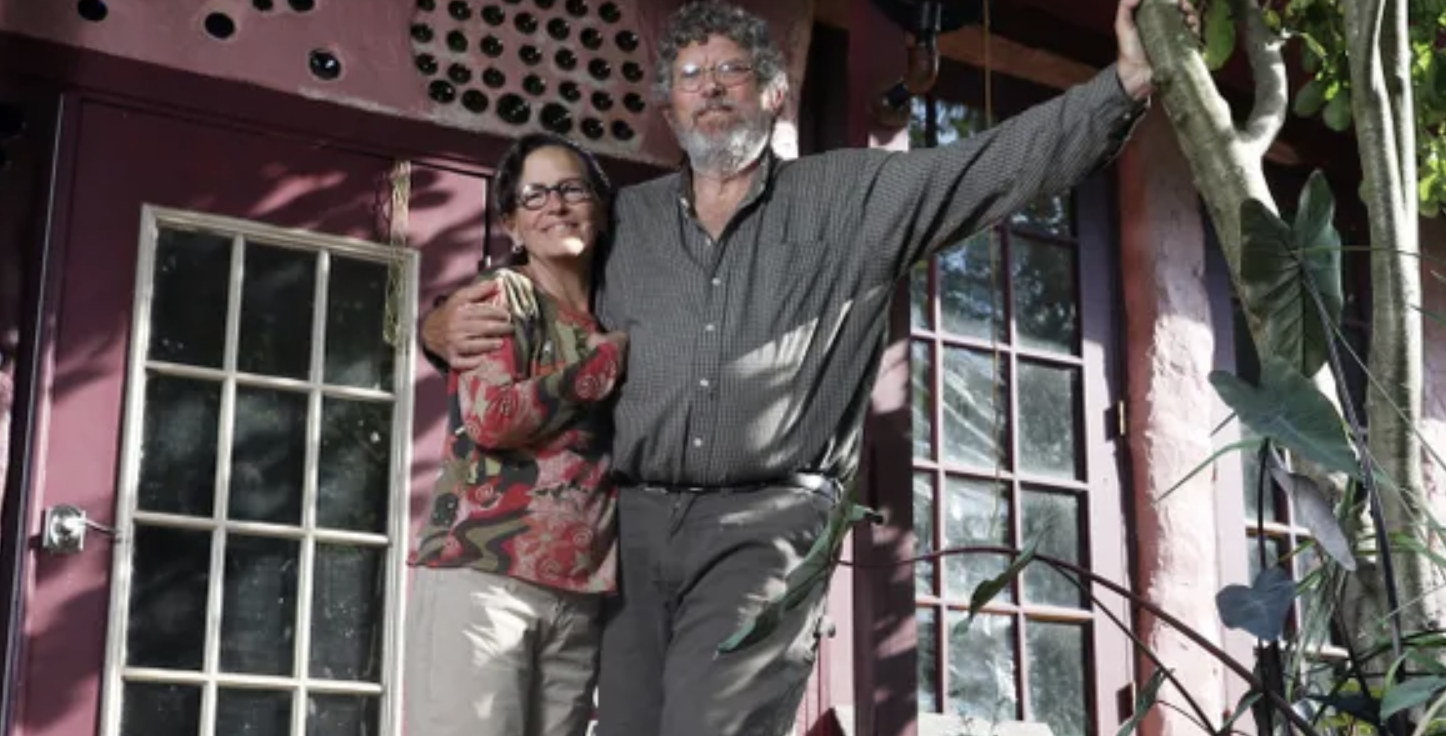
Now, as Annie and Jay transition Blue Rock Station into the Blue Rock Farmland Commons, they are extending that vision forward. By partnering with The Farmers Land Trust, they are choosing a future in which the land is protected and remains accessible, regenerative, and held in common for those who will farm and develop kinship with it going forward. Though their land has recently been appraised for $400,000, Annie and Jay are choosing to sell their farm into the Farmland Commons at an extreme discount of $250,000. The decision to convey their land through a bargain sale into the Farmland Commons reflects both humility and hope—a willingness to make their property affordable and accessible, ensuring that new stewards can step in and carry the work into its next chapter.
… a living classroom rooted in peace, sustainability, resilience, and joy
Even as hope for the future burns bright, Annie Warmke is leaving the land that has defined her life, a transition she describes as both grief-filled and generative. Preparing to pass Blue Rock Station on to a new farmer has felt like a prolonged farewell. While she knows in her heart and bones that it is time for the land to be led by new visions, accepting that she must move on for the next chapter to unfold is difficult. These beautiful 38 acres of land, located at the foothills of the Appalachian Mountains in southeastern Ohio, have been inseparable from her sense of self. Her time on this beloved farm has taught her endless lessons that she was then able to teach others, has fulfilled her deep calling to protect the vulnerable, and has allowed her to stand in her full power as a woman creator.
The farm began with a moment of certainty in 1993. When Annie and her partner Jay were expecting the birth of their granddaughter, they were searching for land where family and friends might one day gather. The week the child was born, Annie found a piece of land in rural Ohio and knew immediately it would be their home. Jay came to see it, took in her conviction, and wrote the check without hesitation. From the start, they understood the land could not exist solely for them. Located in an impoverished rural area, the farm was conceived as a form of service, a place meant to give back to the surrounding community.
When their granddaughter was just five months old, Annie heard architect Michael Reynolds speaking about Earthships and sustainable design. Holding the baby on her belly, she made another decision. This land would be shaped into something regenerative, experimental, and instructive. Jay agreed, as he always had, trusting her vision even when it demanded radical commitment. Shortly thereafter, Annie led a team of contractors in building the first Earthship east of the Mississippi River, a feature that would see tens of thousands of visitors to the farm over their 30 years of stewardship.

A Safe Haven for All
Annie’s relationship with land can be traced back to her earliest memories. As a child in Ohio, she experienced a moment of profound resonance beneath an old maple tree whose winged seeds stirred awe and curiosity. The encounter revealed the sentience and importance of trees and marked the beginning of a lifelong bond with woodlands. Throughout her life, forests have served as both refuge and teacher, offering calm, clarity, and nourishment. That early reverence for the essential presence of forests shaped not only where she chose to farm, but how.
Long before silvopasture entered the mainstream agricultural lexicon, Annie intuitively integrated livestock into forested systems. She raised pigs and goats among the trees, designing intricate systems that supported the health of the animals as well as the forest. Farming, for her, was never about domination, but rather stewardship and participation. She saw herself as just one part of the living systems that flourished within the landscape. Annie rejected the idea of needing to be in total control of the farm and instead embraced the role of caretaker, responsible for the well-being of the soil, water, animals, and people; creating a place where all of Earth’s creations could feel safe.
This clear-eyed ethic of care was brought to the land from her life before Blue Rock Station. Back in 1980, Annie found herself once again in a battered women’s shelter. By then, she had already left her abuser 21 times. That time was different; for the first time she was somewhere he could not find her, somewhere he could not threaten her safety or the safety of her child. The relief was real, but it was braided tightly with exhaustion and grief. She began volunteering at the shelter on Saturdays when most people her age were out enjoying themselves, building carefree lives. Annie was rebuilding herself from what felt like rubble. She had returned to college and was intensely focused, holding herself together through discipline and determination. On Saturday nights at the shelter, when things slowed down, she read. One book in particular changed everything.
Del Martin’s Battered Wives was groundbreaking at the time, pairing hard data with personal stories at the opening of each chapter and Annie voraciously read every word. She lingered over the women’s stories, absorbing them slowly, carefully. What struck her most was not the brutality, but how familiar it all seemed. She had believed, until then, that her suffering was singular, that her fear and endurance were challenges that belonged only to her. Instead, she saw her own life reflected back to her again and again, carried in different bodies, different homes, and different towns.
The realization landed with physical force. She closed the book and was overcome by a blinding headache, as though something inside her had cracked open. In that moment, a vow took shape. She decided that she would not simply survive, but she would act. She would dedicate her life to changing the conditions that allowed women and children to be harmed, silenced, and erased. She did not care what it required of her or where it led. She was resolved to make the world different for women and their families before her own life was through.
These beautiful 38 acres of land…have been inseparable from her sense of self
Empowering Women in Agriculture
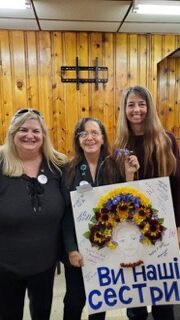
When Annie began farming on her own, women were largely erased from formal recognition in agriculture. Though they ran operations, kept records, raised animals, processed food, and held farms together, they were labeled farmers’ wives and not considered farmers themselves. It wasn’t until 2022 that the United States Department of Agriculture announced that 36 percent of farmers were women, as if it were a new development instead of a longstanding fact. To Annie, women had always been there carrying more than their fair share of the burdens, they simply had not been acknowledged. Her refusal to accept invisibility became a part of her mission in agriculture. When men came to her farm asking to speak to the farmer and refused to believe it was her, she responded with humor and resolve. She had buttons made that read “I’m the Farmer” and distributed them to the women she met. The buttons became small but powerful symbols that women cherished and passed along to other women farmers.
From this place of engaged activism, community building followed naturally. From a casual conversation at a gathering emerged Women Grow Ohio, a grassroots network designed to raise the visibility of women farmers through collaborative farm tours and educational events. The response was immediate and overwhelming. Hundreds of women became connected, many of them carrying deep-seated doubts about the value of their own labor. Annie witnessed how women minimized their immense contributions, often under pressure from partners who insisted they had nothing worth sharing. Naming and validating that labor for these women became an act of restoration.
Farming, for her, was never about domination, but rather stewardship and participation
Through farm tours, conferences, and mentorship, Women Grow Ohio helped women gain practical skills and confidence, from financial planning to livestock care. The work rippled outward, inspiring similar groups internationally and leading Annie to author books on natural goat health. Yet for her, the point was never personal recognition. It was about women claiming space, building knowledge together, and refusing to wait for permission.
Annie’s insistence on equity often placed her in direct conflict with institutions. Her tenure on the Farm Service Committee exposed her to entrenched sexism, racism, and hostility that ultimately led to her resignation. Attempts to address discriminatory behavior through formal channels were dismissed or undermined. The experience left her exhausted and disillusioned but not silenced. It reinforced her belief that women cannot rely on existing power structures to bring about change; it reinforced that being polite and patient, as women are often expected to be, will not facilitate gender equality in our society. If women want to be invited to the tables of power in this world, Annie believes they must build their own tables.

That philosophy guided her work with programs like Buffalo Gals Voices and Women, Food, and Ag Network, where she has helped to bring forward the empowering stories of women farmers and taught classes for women in agriculture including carpentry, welding, driving a tractor and maneuvering a trailer, and more. She was the only woman on the board of Rural Action’s Chesterhill Produce Action where she created their annual pie day that raised money for their farm-to-school program. She created the League of Extraordinary Girl Scientists (LEGS), where she mentored school-age girls in rural Ohio, encouraging them to explore the sciences as a potential future path. In her advocacy work, Annie leaned on research that consistently showed that women often manage land in ways that prioritized long-term health and productivity.
Annie was the contractor and project manager for the construction of the Earthship at Blue Rock Station. As such, she encountered constant inequality that made even basic tasks more difficult, from being ignored at equipment auctions to being challenged as the rightful owner of her tractor. These experiences were compounded by the gendered gaps in technical training, a reminder of how few practical skills women were historically encouraged to learn.
Finding help proved equally challenging. Many of the men who initially came to work on the build brought deeply ingrained sexist and racist attitudes with them. Rather than tolerate it, Annie set firm boundaries, using creative and disarming methods to interrupt harmful behavior and turn it into opportunities for reflection and accountability. Over time, the culture shifted. What began as a hostile work environment transformed into a functional and committed team, though the emotional labor required to get there took a toll.
Her background in counseling helped her navigate these dynamics, reinforcing a lifelong commitment to motivating and supporting others. Having so often lacked mentors herself, Annie became determined to be that presence for women coming up behind her, insisting on showing up where she once stood alone.
A Legacy Continued
As Annie leaves the farm, she finds herself once again in the familiar territory of reinvention. The land sits as a living time capsule of all her dreams and labors. Her creative spirit can be seen in every system she designed and was further imprinted upon every young person and visitor who left the farm reshaped by her vision. Walking the paddocks and buildings is like walking through her own mind, made physical. The act of letting go is not a means of detachment for Annie, but a commitment to trusting what she built enough to allow it to evolve.
That same nature of trust defined Annie and Jay’s 43-year partnership. From the beginning, Jay made it clear that Annie’s devotion to land and farming was something beautiful that he cherished. He let her know time and again that his support was unconditional. The safety he offered allowed her to recognize opportunity when it appeared and to build boldly. Over time, the farm became not only a home, but a living classroom. More than a hundred interns passed through the farm gates, many returning year after year for seasonal gatherings that held the community together. Eventually, that extended kinship formed a farm board, offering guidance as Annie began planning her transition away from daily stewardship.
When she shared her intention to leave, there were tears, but also a gathered community of individuals dedicated to seeing Annie’s legacy at Blue Rock Station preserved and carried forward. Annie knows that the future of the farm depends on change, not preservation for its own sake and acknowledges that the next farmers need room to bring their own vision into the project for the farm to remain viable. Annie and Jay have decided to sell the farm at a discount into the Farmland Commons to ensure that the farm is protected in perpetuity and remains a supportive and regenerative sanctuary in the rural foothills of southeastern Ohio.
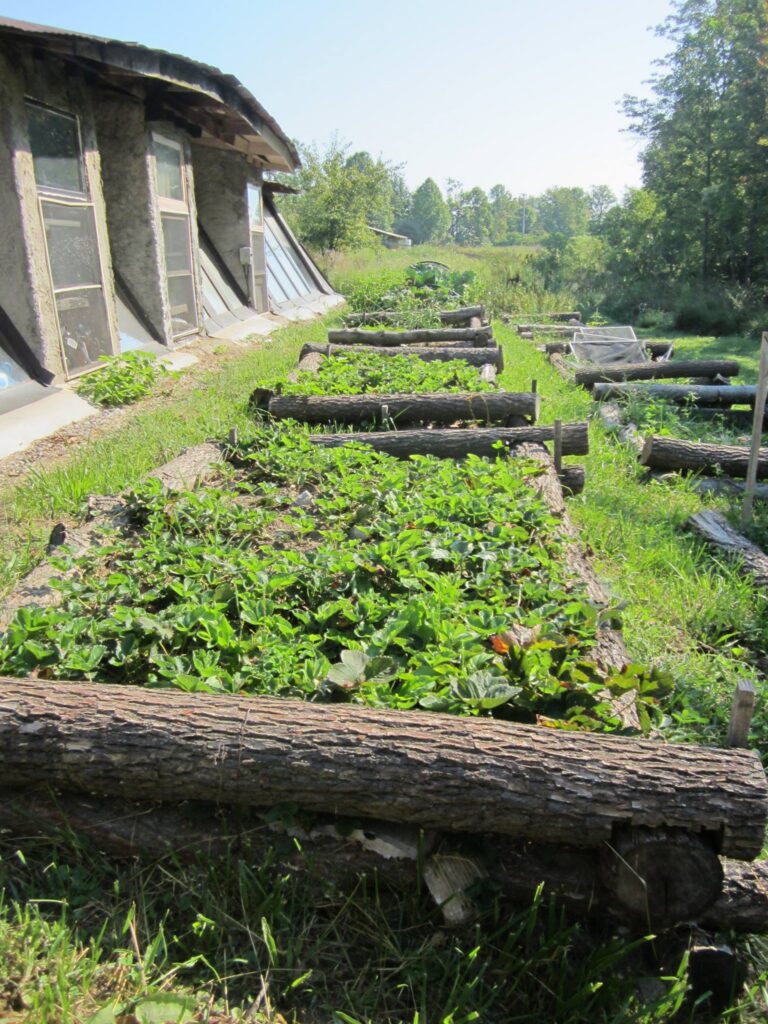
Now living back in town, Annie’s life has changed but has not lost its deep meaning. In preparation for the day Annie would no longer be on the farm, she separated out Warmke Farms from Blue Rock Station as an LLC. Today, Warmke Farms supports an employee and is focused on building an urban food forest in the town of Marietta, Ohio. Annie intends to host college groups and others, teaching workshops on plant propagation and medicinal herbs. Warmke Farms will also hold plant and seed swaps and Annie is hopeful that one day it could become a seed bank that focuses on the preservation and sharing of locally adapted crop varieties. She began the forest garden in town three years ago in preparation for the day that her and Jay would move off of the farm. Since then, the forest food garden has been expanded into the property next door.
As Annie steps away from the farm, she is planning for a future of continuing her deep involvement in cultivation and community. She is evolving her relationship to land and people in the spirit of an elder, with goals of teaching and leading projects in urban farming, facilitating community organizing including through a group called Reimagine Appalachia, and mentoring youth through the difficult seasons of spiritual and emotional growth. The future feels uncertain in some ways, but she meets each day with reverence for a life well lived. Gratitude, for Annie, is not a soft sentiment but a practiced discipline, one that keeps life moving, even as she lovingly gives away the place that holds so much of her mind, heart, and work.
“We can go a lot further in life with gratitude and empathy. We have to kind of pull it out of each other sometimes. There’s so much negativity out there; you don’t even have to watch the news to feel it, it’s just there. We must decide somehow to stop letting that in. If you let things get in your craw, they’ll stay there. We must start getting into our own circles and making our own rules. We’ve all got one gift and it’s today.” – Annie Warmke
The Next Generation
After decades of creating and stewarding Blue Rock Station, Annie and Jay Warmke are moving on to a new chapter and are welcoming the next generation stewards of Blue Rock Station.
The new land stewards, Sarah and Jason, along with their two children Corbin and Cora, are committed to ecological regeneration, community care, and holistic living. Drawing from backgrounds in environmental advocacy, education, community organizing, brewing, and urban micro-farming, they bring both practical experience and systems-level thinking to their work.
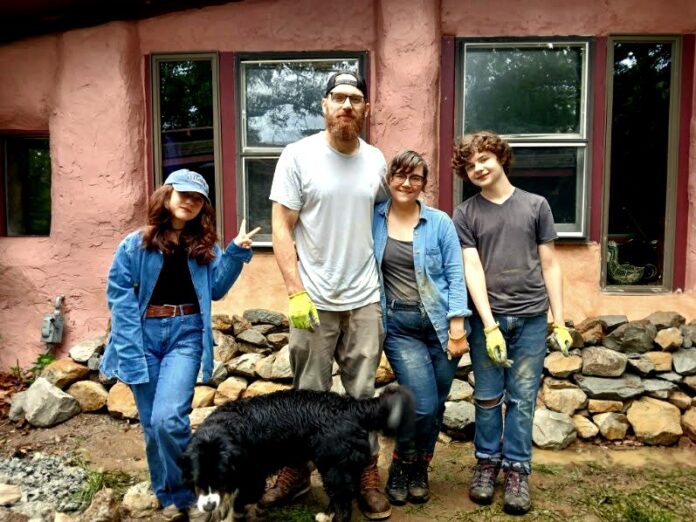
Sarah is an educator and community leader who serves as board president of the Sycamore Learning Cooperative and helps lead a range of cooperative and educational initiatives. Jason’s background in brewing informs his interest in soil health, ecological design, and regenerative systems.
Together, they envision Blue Rock Station as a place rooted in small-scale market gardening, agroforestry, and regenerative livestock, while functioning as an intergenerational space for learning, healing, and food production. Their approach is guided by permaculture ethics, family values, and a strong regional network of support.
We’ve all got one gift and it’s today. – Annie Warmke
Creating the Commons
The global, systemic and historic oppression of women may have hidden the contributions women have made to our societies and the welfare of our planet and people, but one thing that Annie Warmke and the entire team of The Farmer Land Trust knows to be true, is that women have always been farmers. Women are most often those in the culture that feed the family, steward the Earth, and care for next generations.
The Blue Rock Farmland Commons is a collaborative of impassioned women leaders who are dedicated to preserving the incredible legacy of Annie Warmke and ensuring that women farmers are protected, supported, and given access to the same resources and opportunities in agriculture as men. In partnership with the Women, Food, and Agriculture Network, this Farmland Commons is uniquely influenced and guided by the powerful wisdom and experience of women and will serve as a shining example of what transformations are possible when women are put in positions of power.
A Call to Action
To create the Blue Rock Farmland Commons, it is essential that the funds are raised for the project and to purchase the land, bringing it into community ownership. Anyone who knows Annie and Jay Warmke, who has been inspired by Annie’s story, or who values what Blue Rock Station Farm stands for should act to protect this historic farm through a donation.
As the United Nations declares 2026 The Year of the Woman Farmer, there has never been a better time to show your support for the powerful women in our agricultural systems.
Please consider making a donation today and sharing this project with everyone you know who may feel called to support the continuation of this incredible farm.
Get Involved
Community support is a fundamental part of the creation of a successful Farmland Commons. If you’d like to get involved with the Blue Rock Farmland Commons project, there are a few ways you could really help the project thrive.
- Ways to Support:
- Make a one-time or monthly tax-deductible donation today!
- Reach out to us today to learn more about the multiple opportunities to engage with the Blue Rock Farmland Commons.
- Sign up for the Blue Rock Farmland Commons newsletter for project updates and upcoming opportunities to get involved.
